A few years ago, I came across a group of children playing baseball in an empty lot. They didn’t have uniforms, base pads, or even a real bat. They were swinging at a well-worn ball with a large tree branch. I doubt they were following all the “rules.” But they were definitely learning how to be ball players.
Learning to be disciples is very similar. In a previous article, we looked at how the liturgy serves as the “privileged place of catechesis.” It is in the liturgy — primarily the Sunday Mass — that the seekers “play the game” of discipleship. They practice the story of Jesus so that they can better live that story out in the world.
But for this ritual rehearsal to be effective, the seekers have to be more than spectators. They have to step up and take a swing.
The church teaches that liturgical participation is so important that it is the “aim to be considered before all else” (Constitution on the Sacred Liturgy, 14). Every other principle of good worship flows directly from this one essential goal.
Noble simplicity
Because the goal of full participation is so important, the bishops at the Second Vatican Council established another principle: “The rites should be distinguished by a noble simplicity; they should be short, clear, and unencumbered by useless repetitions; they should be within the people’s powers of comprehension, and normally should not require much explanation” (Constitution on the Sacred Liturgy, 34).
The point of this supporting goal is to celebrate liturgy in a way that so simple and clear that even newcomers like our seekers should be able to describe the story that takes place at the Mass. Like the young ball players I witnessed, even if they had never played before, the “story” of the game was obvious. When we celebrate liturgy that is noble and simple, the entire assembly can actively participate without much explanation or prompting.
Engaging the whole person
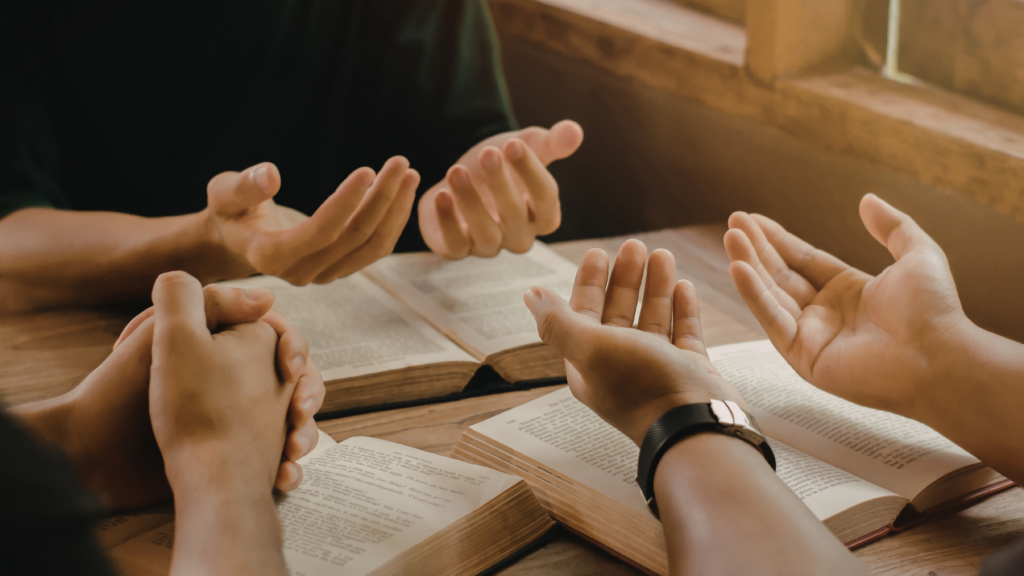
Active participation involves more than just responding to the prayers and standing, sitting, and kneeling on cue. Ritual participation is a holy dance of body, mind, and spirit. Liturgical leader, Fr. Clarence Rivers, called this full engagement a participation in the “transcendent.”
When we are fully enraptured by the ritual action, we become one with the Risen Christ in a way unlike any other. Our lives expand into what Pope Benedict XIV called a “new horizon and a decisive direction” (God is Love, 1). A transcendent liturgy focuses our gaze on the whole of life, making our participation both beautiful and transformative.
Active participation involves more than just responding to the prayers and standing, sitting, and kneeling on cue. Ritual participation is a holy dance of body, mind, and spirit.
Deep priestly participation
This is, of course, our hope, prayer, and goal for the seekers. Our every action with them is focused on their complete and total conversion. And it is the liturgy, more than any other thing we do with them, that provides the playing field where seekers encounter the living, transcendent Christ.
When the liturgy is celebrated in a way the carries the assembly to the deepest level of worship, hearts are moved and opened to the living communion of the Father and the Son in the Spirit. As the assembly is caught up into this sacred dance, they and the seekers are gathered into the priestly work of Christ.
When the liturgy is truly transcendent, seekers stop being mere observers of the ritual. Their participation in the “game” of the liturgy equips them to step up as disciples in the game of life.
Share your thoughts
If we truly believe the liturgy is the primary event for forming disciples, what’s one small step you can take this week to move your seekers from the stands onto the field? Share your insights in the comments section below.