Years ago, I sat in on an “RCIA class” to learn how catechumens and candidates got catechized. There were four team members, me, and two candidates. Three of the team members took turns reading from PowerPoint slides that seemed to have been taken from a chapter of a textbook on salvation history. Every few slides, the fourth team member, who was the coordinator, would ask, “Any questions?”
While none were spoken out loud, I imagined more than one of us was thinking, “How much longer until this ends?”
I felt bad for the team members, because I knew how much work they had put into planning this session. I felt bad for the coordinator because I knew how excited she was to be sharing her Catholic faith with the candidates.
And I felt especially bad for the two candidates because the story of how God has been constantly and dramatically showing up in the lives of humans since the moment of creation is one of the most thrilling stories ever told. But on that night, that powerful story was reduced to what Pope Francis called “a few doctrines which are at times more philosophical than evangelical” (Joy of the Gospel, 165).
Not either/or, but in what order
Of course, we want our catechumens and candidates to know that faith. The Order of Christian Initiation of Adults says disciples-in-training should be led “not only to a suitable knowledge of dogmas and precepts, but also to an intimate knowledge of the mystery of salvation” (75.1). But what makes the dogmas and precepts “suitable” is the way in which they are delivered and received.
Too often, the weekly classroom has become our default, and a high-school-style survey of church teaching has crowded out the second half of that sentence.
The reality is that the only way to bring seekers to an intimate knowledge of the mystery is to bring them into a deep friendship with the Christian community. Pope Francis said that being a Christian is not first of all about knowing doctrines or living up to a moral ideal. It is, first of all, a living relationship with the Risen Lord Jesus (see Regina Caeli address, April 18, 2021).
To have a living relationship, said the pope, is to look at, touch, and be nourished by Jesus, and be transformed by his love. But where do we find a Jesus that we can look at and touch — a living Jesus who can touch us back and nourish us? That embodied, intimate love is found in the body of believers, the Body of Christ.
The liturgy is where that encounter is most intimate
The church teaches that it is in the liturgy that the work of our redemption is accomplished. It is in the liturgy that, through our lives, we express and make tangible the mystery of Christ (see Constitution on the Sacred Liturgy, 2).
The primary way in which we teach salvation history (and all the other doctrines of the church) is by living them, especially in the liturgy, and showing our seekers how to imitate us in living as Christians.
The first disciples did not learn how to be disciples by going to class. They did not teach new disciples how to be disciples by creating textbooks. They did not learn and teach how to heal, feed, liberate, forgive, and so on by insisting on doctrinal precision. They did what Jesus did.
Disciples learn by doing
The main concern for catechumenate teams must become focusing on the Sunday liturgy as the privileged place of catechesis (see Directory for Catechesis, 133). It is primarily in the liturgy where we are formed into disciples by doing what disciples do.
The first disciples did not learn how to be disciples by going to class. They did not teach new disciples how to be disciples by creating textbooks. They did not learn and teach how to heal, feed, liberate, forgive, and so on by insisting on doctrinal precision. They did what Jesus did. They walked alongside Jesus and then drew followers to walk alongside themselves. And we will create disciples by inviting seekers to walk alongside us.
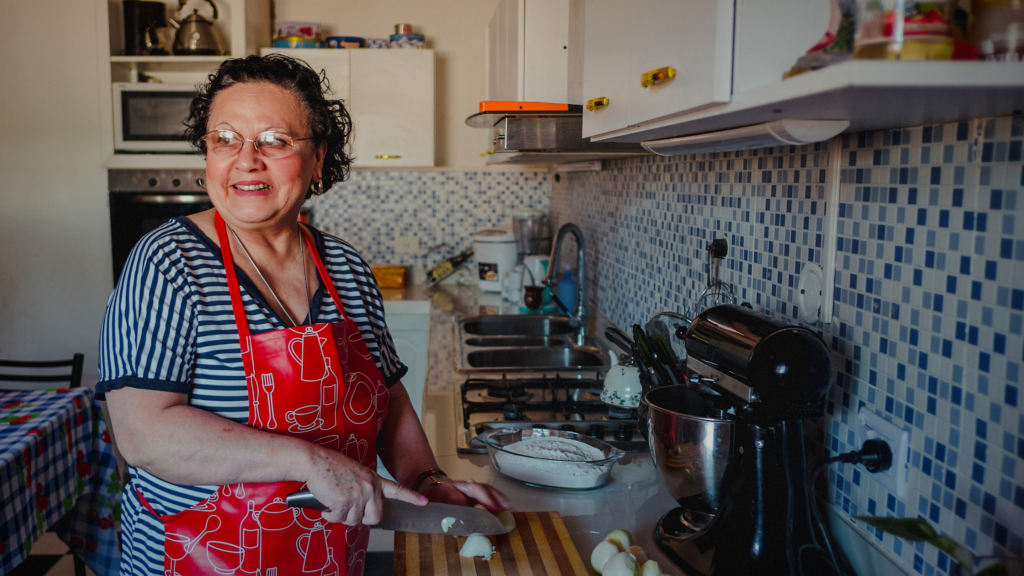
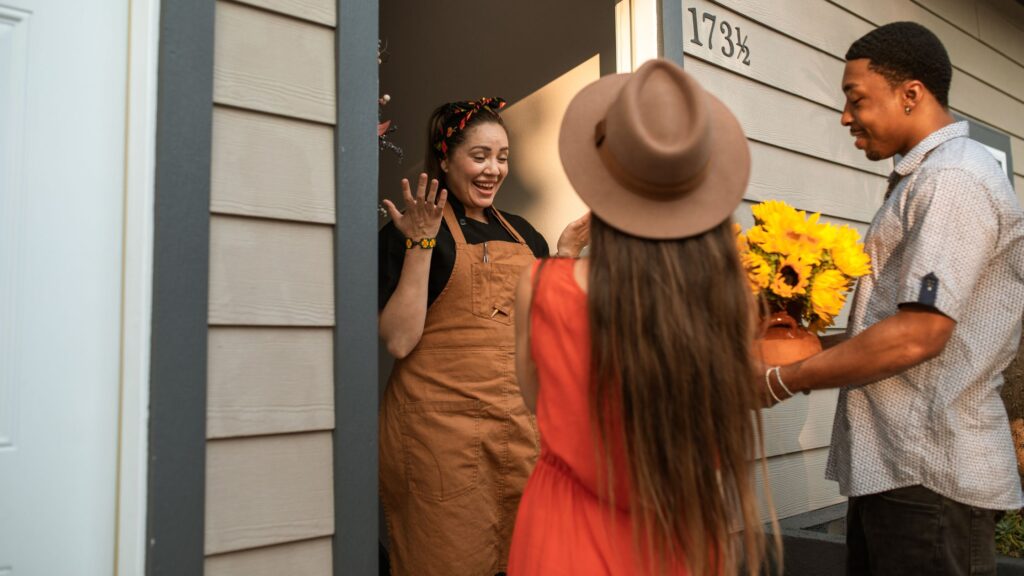
Think of how someone learns a trade. A new cook doesn’t become a master chef by reading about it. She works beside an experienced chef, copies what she sees, makes mistakes, and asks questions when something doesn’t make sense. The explanation matters, but it sticks because the apprentice has already had some experience cooking.
Formation works the same way. Instead of starting a session with “Tonight we’re going to spend ninety minutes learning about grace,” we begin with, “What did you experience at Mass on Sunday? Where did you sense the Spirit moving?” Then talking about doctrines will stick because the apprentice will have had a real encounter with Jesus.
And while the liturgy is the privileged place of catechesis, it is not the only place. Imagine all the teachings of the church that are made tangible in these examples:
- Sponsors and other parishioners bring candidates and catechumens to serve at the food pantry, visit the homebound, or join a parish gathering, and talk about it afterward.
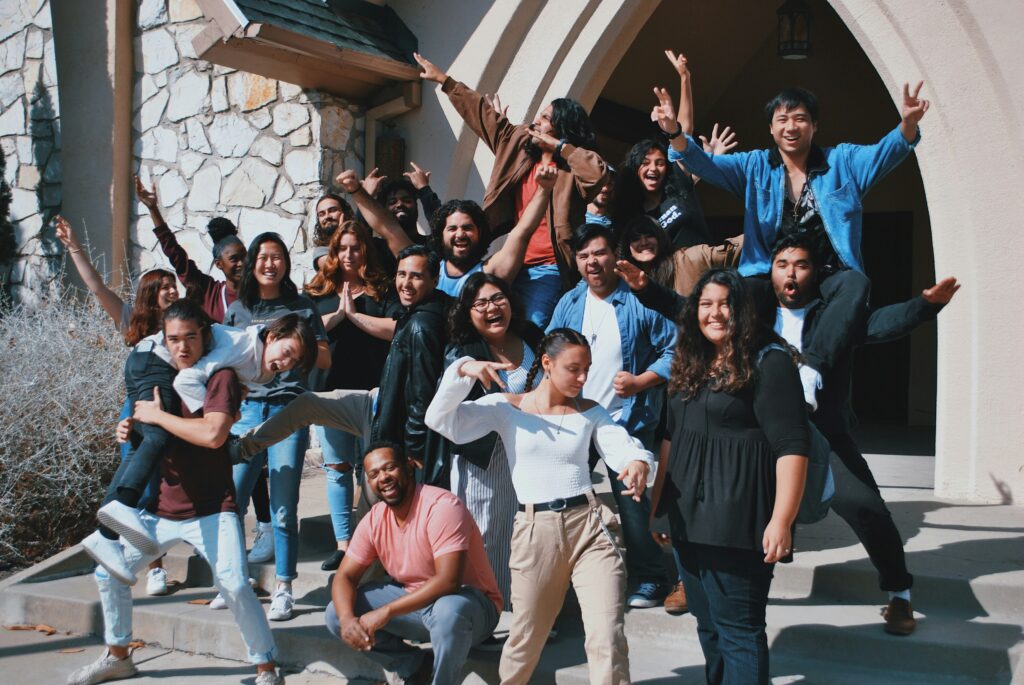
- Inquirers, candidates, and catechumens have meals and conversations with members of the parish, not just team members.
- Disciples-in-training learn to pray the Rosary, spend time in adoration, or practice a modified form of the Liturgy of the Hours and share their experiences with their sponsors.
This apprentice-style training frees us from the academic calendar, which implies that discipleship has a start date and a graduation date. Discipleship is an ongoing, lifelong process of learning how to imitate Christ more fully each day.
A mystagogical model
If your team isn’t ready to give up the classroom structure, you don’t have to. Start small. One week out of the month, try letting the Holy Spirit teach. You can make room for the Holy Spirit once a month by asking your seekers mystagogical questions like these:
- What word or phrase from the readings stayed with you this week? Why?
- Did a specific ritual gesture (e.g., bowing, signing, kneeling, sharing peace) touch your heart? How?
- Did anything you heard in the gospel or other readings cause you to act more mercifully or gently this week? Say more about that.
- Who in the parish has shown you what living as a Catholic looks like?
If you have moved from a classroom model to an apprenticeship model for making disciples, what was the first step you took to get there?
Share your thoughts
If you have moved from a classroom model to an apprenticeship model for making disciples, what was the first step you took to get there?
If you are still using a classroom model, what is one habit your team could let go of this month to make more room for the Holy Spirit to teach?
Join us for our next online training webinar!