I frequently ask seekers to name an experience of the Holy Spirit they had within the last week. I am no longer surprised — but I’m always disappointed — when they tell me they’ve had none.
Part of the reason for this is that our culture has lost the capability to recognize the deeper reality of the signs and symbols we encounter in our lives. In a recent video, Diana commented on Pope Francis’s lament that we have lost our sense of wonder at the splendor that surrounds us (see Desiderio Desideravi, 45).
The Pontifical Council for Culture also spoke about the difficulties that today’s culture presents in seeing the truth and goodness that is rooted in God’s love. In its document The Via Pulchritudinis, the council said the way of beauty is a “privileged itinerary” that can lead seekers—especially those who have become “unaccustomed to passing from the visible to the invisible”—into a direct encounter with the divine
And in another recent Team Initiation video, I explored the seven sources of catechesis identified by the Directory for Catechesis, one of which is “beauty.” Beauty is perhaps the most difficult for us to understand as a resource for catechesis. In this article, I want to dive deeper into why the way of beauty is not just about aesthetics or ornamentation, but is instead essential for the formation of catechumens and candidates.
Why is beauty as a source of catechesis important?
We often say that “beauty is in the eye of the beholder,” but that’s not true when it comes to catechesis. The Directory for Catechesis says it is necessary “that every form of catechesis,,,attend to the ‘way of beauty.’” To follow this “way of beauty,” we have to discern between true beauty and the forms that are apparently beautiful but empty, or even harmful…” (108).
Following the way of beauty is important because it is a means of breaking through indifference, skepticism, and superficiality. Too often, our catechetical formation is focused on appeals to the intellect and to logic. But formation is much more effective if we can first move the heart of the seeker.
But formation is much more effective if we can first move the heart of the seeker.
Even more importantly, for seekers who come to us because their lives are in disarray, beauty touches their “deeper inner being” in a way that heals them. According to The Via Pulchritudinis:
What is the “Way of Beauty”?
The way of beauty is a unique and powerful path to knowledge and revelation. It is a gateway to something greater than ourselves. There are three ways in which beauty reveals the Mystery of Christ to our seekers and to us.
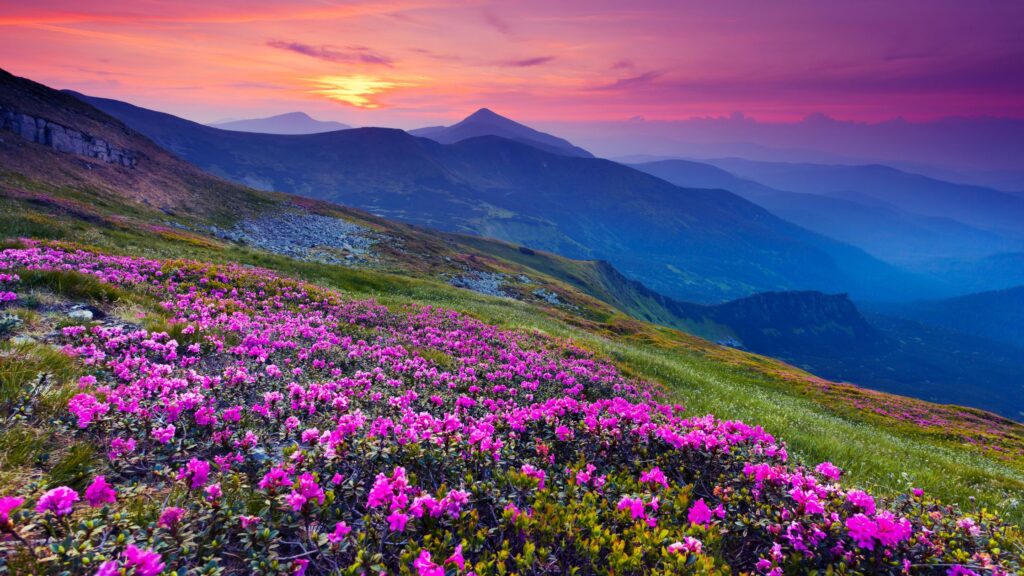
- The beauty of creation: Natural wonders like a sunset or waves rolling onto a beach reveal the majesty of God through the simple beauty of their being.
- The beauty of the arts: Inspired by God’s natural creation, we seek to create works of beauty ourselves. Music, painting, and literature that moves us from our personal, interior selves to the transcendent, ineffable Mystery of God.
- The beauty of Christ: For the Christian, the pinnacle of beauty is the witness of a life transformed by grace which is fully realized and manifested in the liturgy. The liturgy then sends the Christian out on mission into the service of justice and peace. This gospel mission is especially provided as a message of hope for those on the peripheries (see The Via Pulchritudinis)
The way of beauty is a unique and powerful path to knowledge and revelation. It is a gateway to something greater than ourselves.
Using beauty in the formation of seekers
Using beauty in the catechumenate as a means of formation is not difficult. It simply means paying attention to the moments in which the Holy Spirit moves the hearts of the seekers. Here are some practical examples:
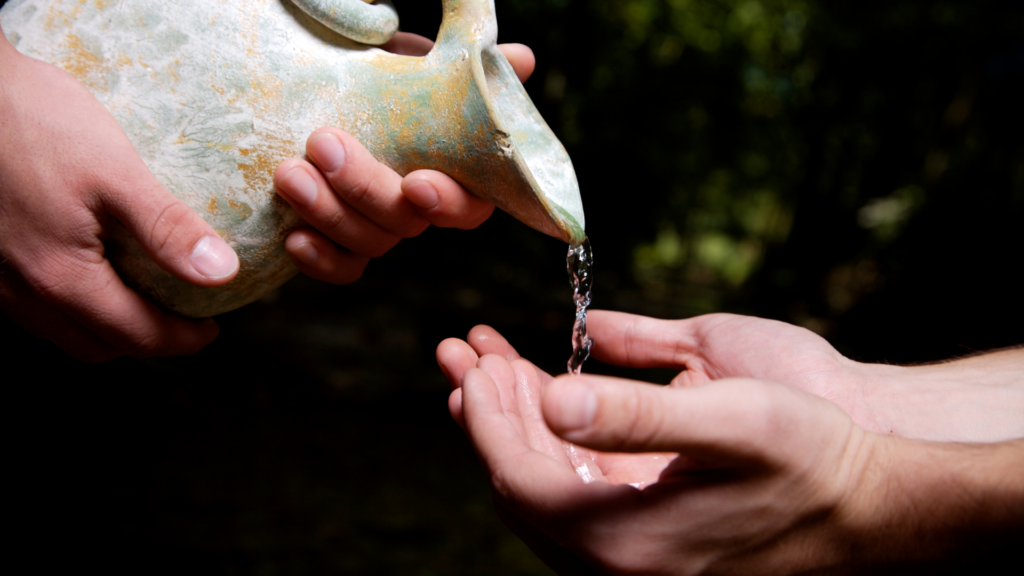
- As Diana suggested in her video on mystagogy, invite seekers to find an object in the church that captures their heart. Have them sit with it, engaging their senses — the smell of chrism, the texture of the altar, or the sound of water.
- Use the mystagogical process: contemplation (remembering what happened), reflection (asking what it means), and conversion (asking “so what?”). This helps seekers move from an external experience to spiritual insight.
- Use beauty to make abstract teachings more concrete. For example, a painting of the Nativity can communicate a theology of creation or the doctrine of the Incarnation more immediately than a PowerPoint slide or a video lecture.
- As I suggested in my video, ask seekers what music or poems have recently touched them. Start with their personal experience and from there explore how the Spirit might already be speaking to them.
What happens when we use beauty regularly?
The ultimate goal of the way of beauty is to lead seekers to encounter Christ most fully in the celebration of the liturgy, which is the summit and the source of the life of a Christian. And the liturgy is our most beautiful act as a community of believers. Through the beauty of the liturgy, we experience a deep transcendence that makes us one with the divine dance of the Trinity.
If we consistently use beauty as a source for formation, we will help seekers move from rarely noticing the Spirit to living in ongoing wonder. Maybe, eventually, they become the ones who help someone else — tired of kitsch and falseness — notice it too.
And maybe the next time I ask how they have seen the Holy Spirt move in their lives recently, they will have an answer.